



All Science
 The ExplainerCan you hear me now? Cellphones turn 50.On the 50th anniversary of the first cellphone call, we explore how mobile technology has transformed our lives – for better and for worse.
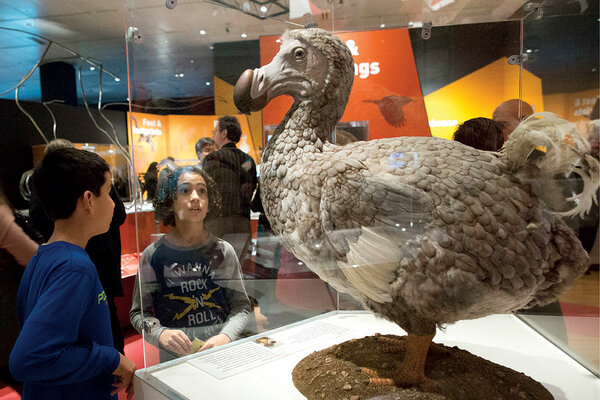 The ExplainerReviving extinct species: Can we? Should we?Righting a wrong? Or playing God? Emerging efforts to revive extinct species raise questions about the promise – and ethics – of bioengineering.
 First LookEnergy Department report fuels speculations about COVID-19 originsThe Energy Department’s report on the COVID-19 lab leak caused online speculations to soar. Scientists urge caution when speculating about the origins of the virus, as the findings are yet to be confirmed.
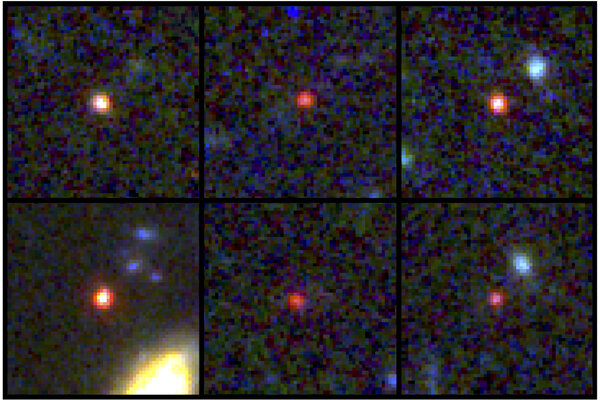 First LookDiscovery of ‘monster’ galaxies offers glimpse into early universeA recent astronomical discovery is changing scientists’ understanding of the early universe. The finding of six potential mega-galaxies containing perhaps as many stars as the Milky Way offers hints to how fast the universe developed after the Big Bang.
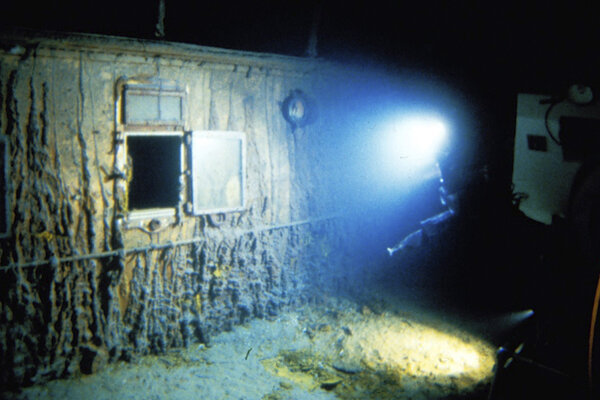 First Look‘Hallowed ground’: Titanic footage released of 1986 diveThe first time human eyes laid eyes on the Titanic since its sinking in 1912 was during a dive led by Robert Ballard in 1986. The Woods Hole Oceanographic Institution has released to the public for the first time video of the dive.
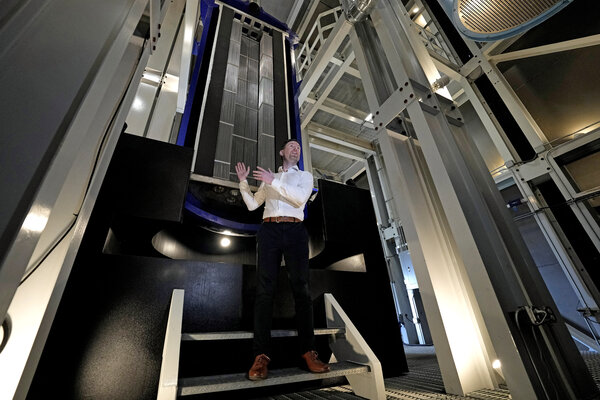 First LookFuture fuel? Universities consider harnessing micro nuclear reactors.While the thought of nuclear power conjures giant cylindrical concrete towers, American universities are exploring building miniature nuclear reactors to generate electricity for campuses to combat climate change. Are these reactors feasible and safe?
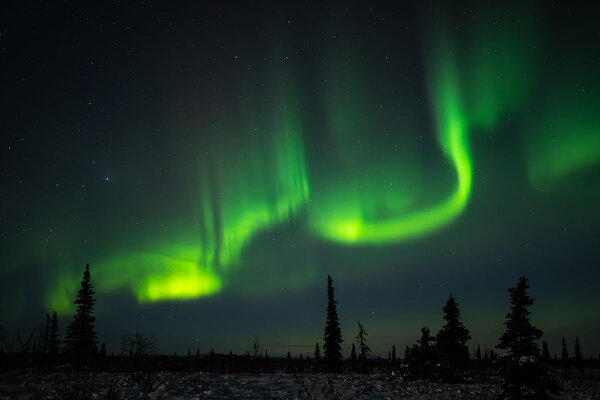 Cold journey. Lasting joy. My trek to see the northern lights.Our reporter treks through Alaska to see the aurora borealis. Her journey takes her though dark and cold, for a fleeting splendor of light that leaves a lasting joy.
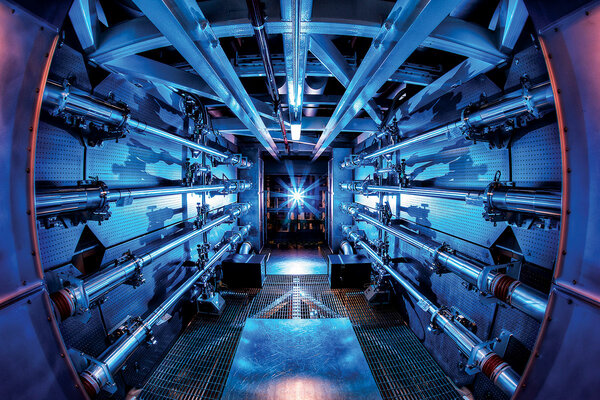 The ExplainerEnergy from fusion: What is the promise? What hurdles remain?More advances are needed, but scientists see path to abundant clean energy from nuclear fusion – in which atoms come together rather than split apart.
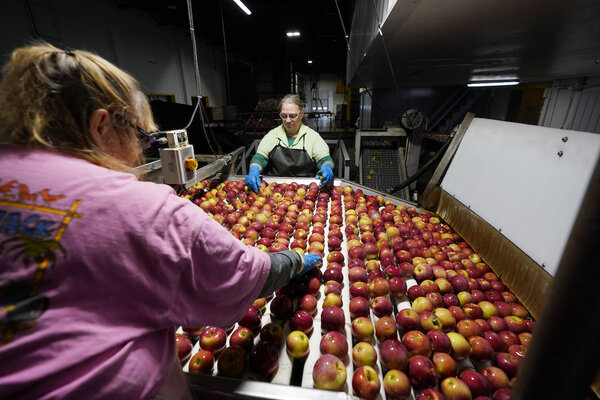 First LookWaste not, want not: More startups focus on reducing food wasteMealy apples, soggy takeout food, and avocados that ripen too soon are some of the problems that food waste startups are tackling. In 2021, U.S. food waste startups raised $4.8 billion in efforts to keep food out of landfills.
 2022: A space-comic odysseyAsteroid dust. Pulsating auroras. An astral slide deck. This past year brought a flurry of scientific advancement in space exploration. Each development opens a new window into the mysteries of the universe.
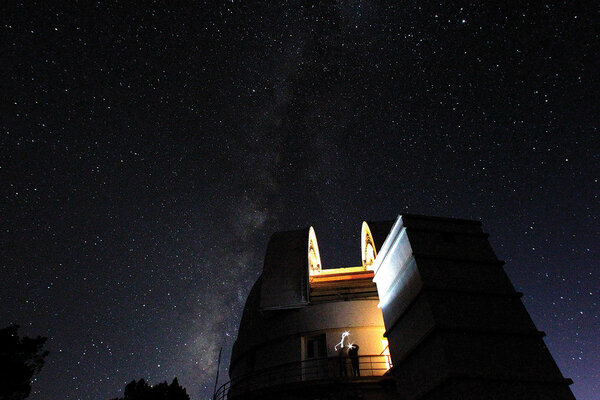 In Texas Hill Country, darkness enlightens and inspiresLight may be a symbol of progress, but these communities treasure the humbling wonders of the dark.
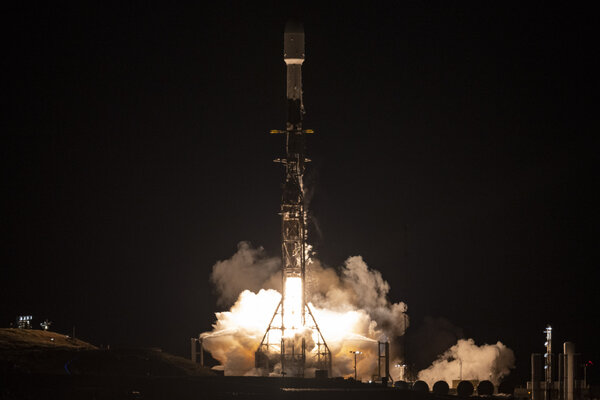 First Look‘The planet we care about most’: New satellite maps water on EarthThe United States and France have launched a satellite that will map bodies of water on the Earth’s surface. The satellite will complete its global journey every three weeks as it measures flow rate and tracks erosion and sea levels.
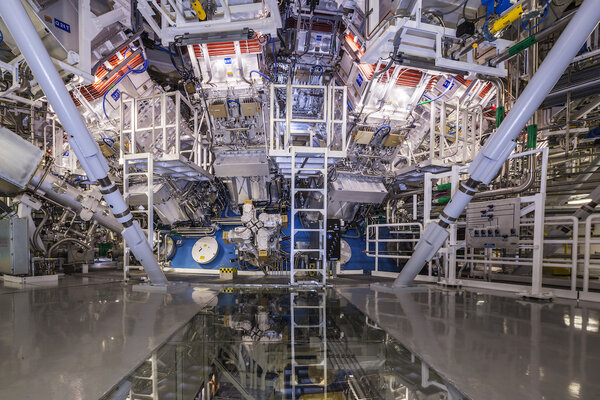 First LookFusion breakthrough: US achieves net energy gain for first timeScientists announced Tuesday that, for the first time, researchers were able to produce more energy in a fusion reaction than was used to ignite it. The breakthrough is significant, but producing power from fusion is still decades away.
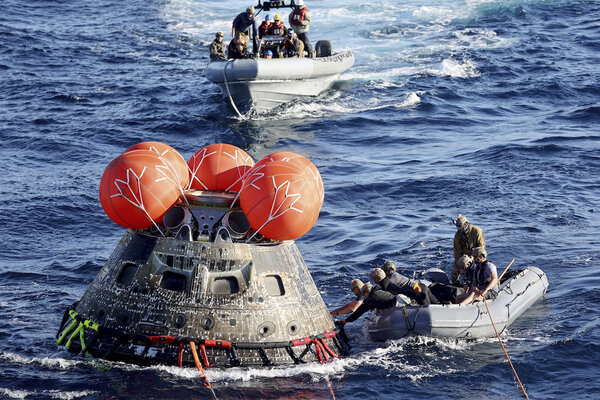 First LookSplashdown: NASA’s Orion moon mission makes successful returnNASA’s lunar capsule Orion returned from the moon at 32 times the speed of sound, splashing down into the Pacific near Guadalupe Island Sunday. The successful mission was the first to visit the moon for 50 years, marking a new era of space exploration.
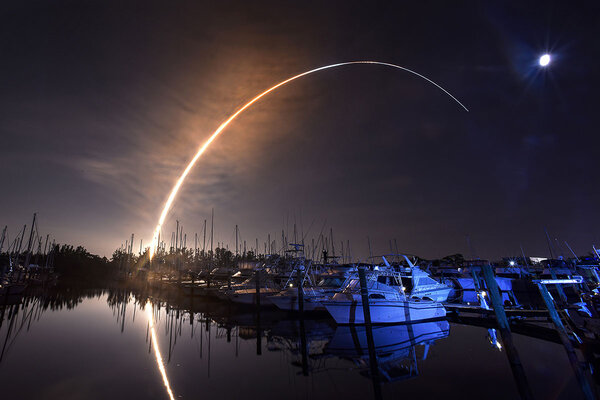 With Artemis, NASA envisions a multiplanetary future for humanityNASA’s Artemis launch Wednesday is a step toward humans returning to the lunar surface. The motivations go far beyond exploring the moon itself.
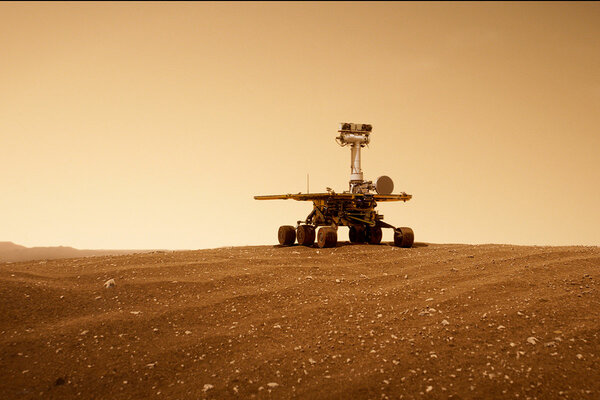 ‘Good Night Oppy’: How a documentary captures the human-robot bondWhen director Ryan White talks about “Good Night Oppy,” which features Mars space rovers and their handlers, he describes the bonds of family – and the teamwork it took to exceed expectations.
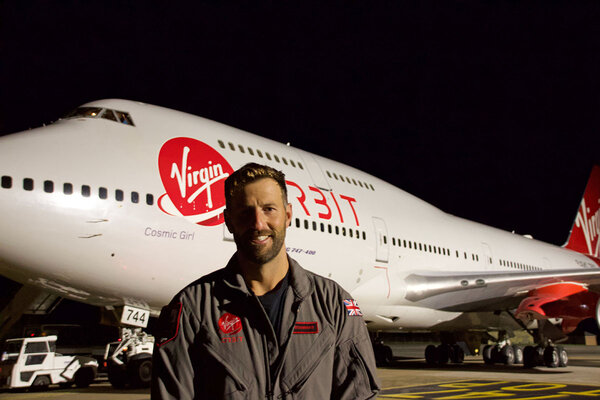 A new space race? Britain enters the orbital launch business.For people accustomed to hearing about rocket launches from Florida or Russia, the name Spaceport Cornwall may sound like an oxymoron. But the United Kingdom is a builder of satellites – and now Europe’s first player in sending them into space.
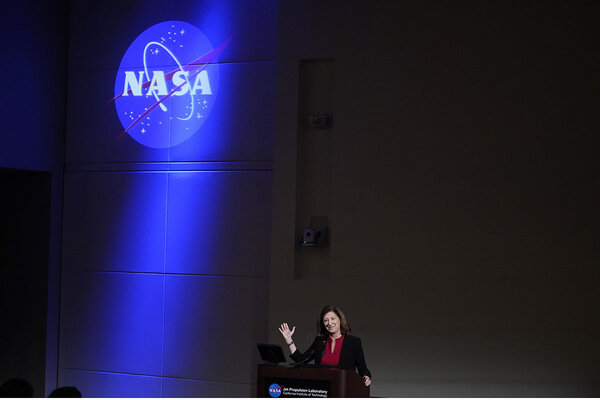 ‘It pulls us to be our best selves’: Exploring space and diversity at JPLAs the first woman to lead NASA's Jet Propulsion Laboratory, Laurie Leshin aims to include “all the brains” in the search for answers to humanity’s biggest questions.
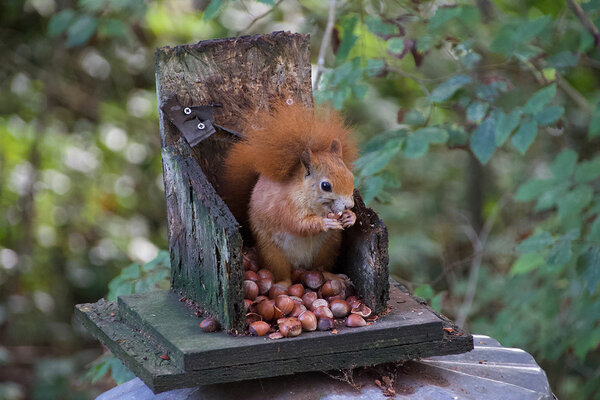 Return of Nutkin: Red squirrels’ comeback in UKEfforts in the United Kingdom to restore the red squirrel population range from secluded sanctuaries to the reintroduction of predators.
 First LookNobel Prize in medicine recognizes innovation in ancient DNA studySwedish scientist Svante Pääbo won this year’s Nobel Prize in medicine for work in comparing the genome of modern humans and our closest extinct relatives. Through their work, Mr. Pääbo and his team have unlocked doors to the past.
