



All Science
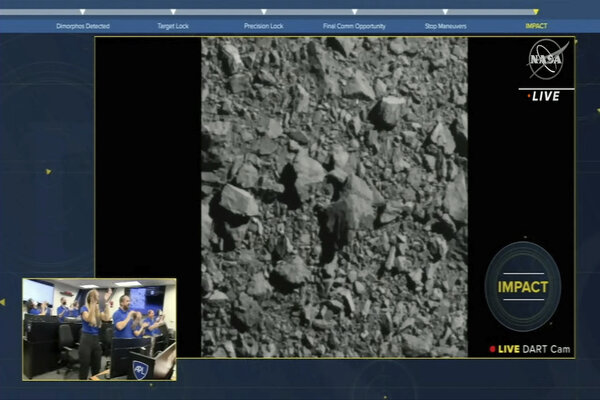 First LookSuccess! NASA's first planetary defense test hits asteroid.NASA’s first planetary defense test, known as DART, sent a spacecraft crashing into an asteroid at 14,000 mph to knock it off course. In the coming weeks scientists will study the effectiveness of the impact and if it holds promise for future missions.
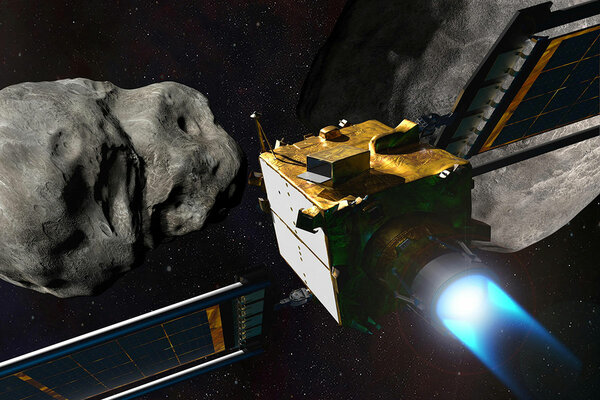 Target practice in space: NASA aims to knock an asteroid off courseIt’s innovation in the name of planetary defense: NASA’s DART mission aims to test the idea of colliding with an asteroid to deflect it from Earth.
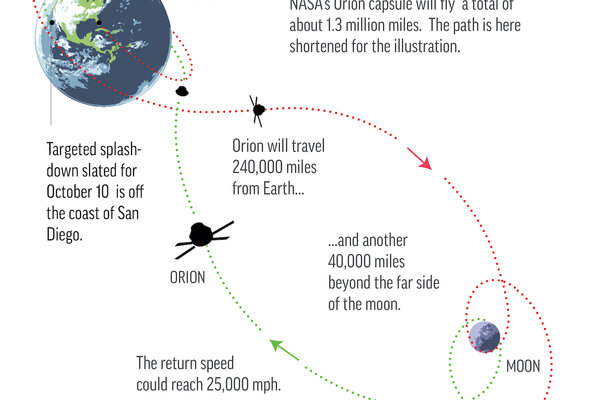 First LookNo moon shot today: NASA's launch delayed by a leaky engineThe Space Launch System rocket set to lift off Monday from Florida with three test dummies aboard has been postponed. NASA hopes to send four astronauts around the moon in 2024 and land humans there as early as 2025.
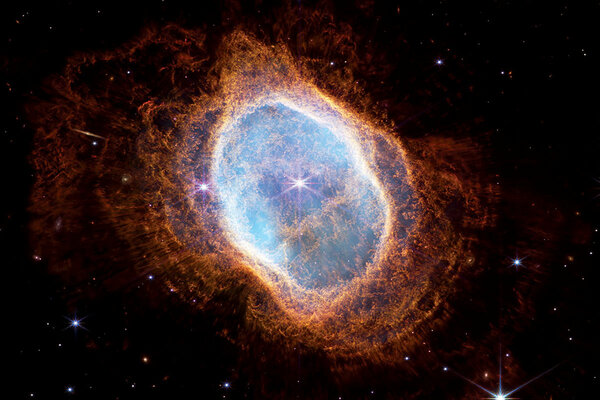 Joy of discovery: How Webb telescope expands world’s sense of wonderBringing joy with their dazzling beauty, the first images from the James Webb Space Telescope also reflect ingenuity – revealing new layers of the cosmos.
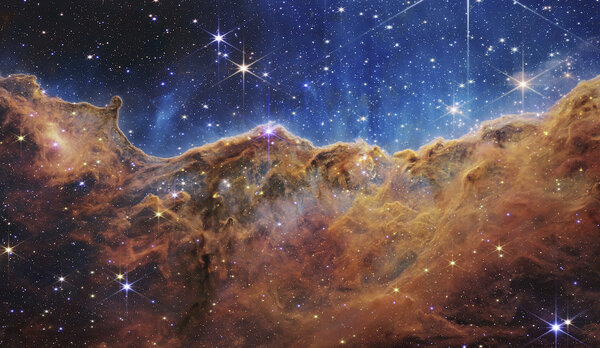 First LookNASA photographs ancient space, gives brand new views to humanityNASA has released its first photos from its $10 billion James Webb telescope, showing the deepest and oldest view of space yet. In a time when life on earth feels particularly divisive, sky-watchers see these expansive images as a way to unify the world.
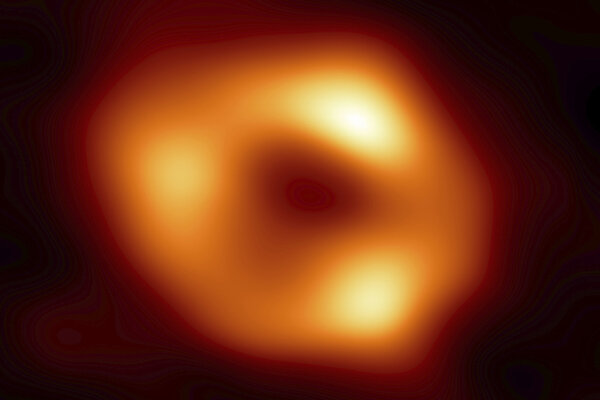 First LookGalactic picture day: See first photo of Milky Way black holeIt took eight radio telescopes all over Earth working in perfect harmony to do it, but scientists successfully snapped the first photo of the black hole at the center of the Milky Way galaxy. Black holes suck light into themselves, so taking their picture is incredibly difficult.
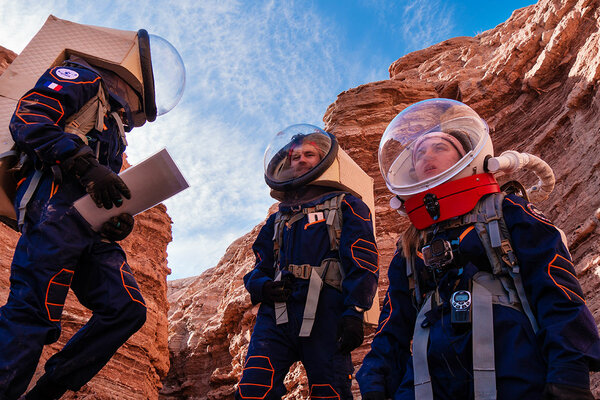 ‘Martians’ walk the Utah desert, paving way for life on red planetAt 22 bases around the world, scientists have been volunteering to simulate life on Mars, learning lessons that may aid real-life exploration.
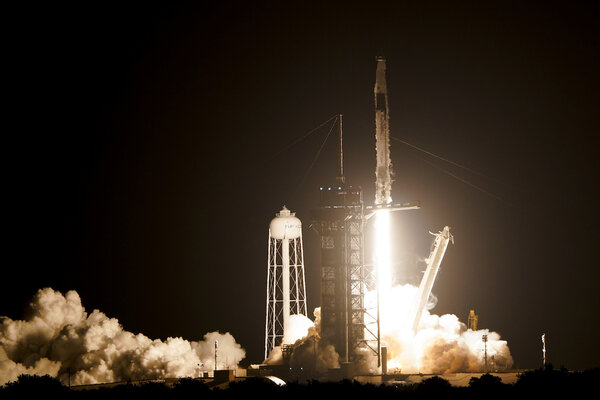 First LookUp and away: SpaceX blasts diverse crew to space stationSpaceX successfully launched four astronauts toward the International Space Station for NASA on Wednesday. The mission’s crew is comprised equally of men and women, including the first Black woman making a long-term spaceflight, Jessica Watkins.
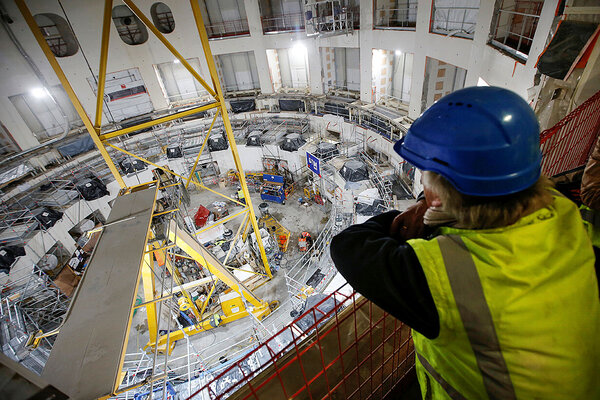 Quest for nuclear fusion is advancing – powered by scientific gritRecent breakthroughs make energy from nuclear fusion look increasingly achievable. But it’s a tale of decadeslong persistence with hurdles still to come.
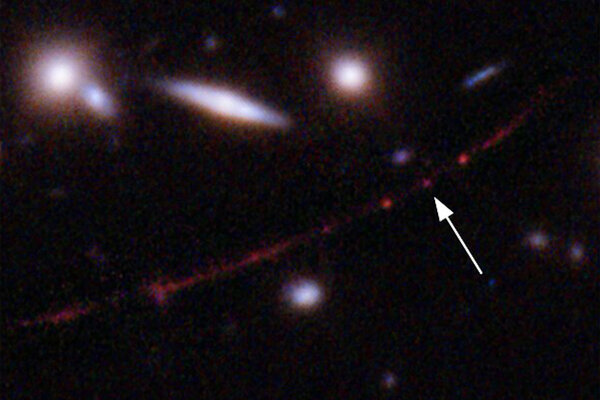 First Look‘Snapshot in amber of the past’: Astronomers spot farthest starAstronomers using the Hubble Space Telescope said Wednesday they have discovered the farthest star ever recorded. They magnified the minuscule starlight through gravitational lensing to allow the star formed nearly 13 billion years ago to be seen.
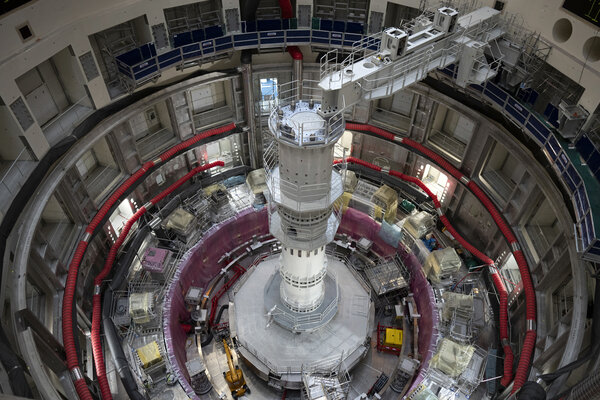 First LookRussian scientists: Will Ukraine war erode their contributions?As the international community shuns Russia over the war in Ukraine, scientific relationships built between Moscow and the West over decades are unraveling. Without Russian expertise, progress in climate research and space exploration could be jeopardized.
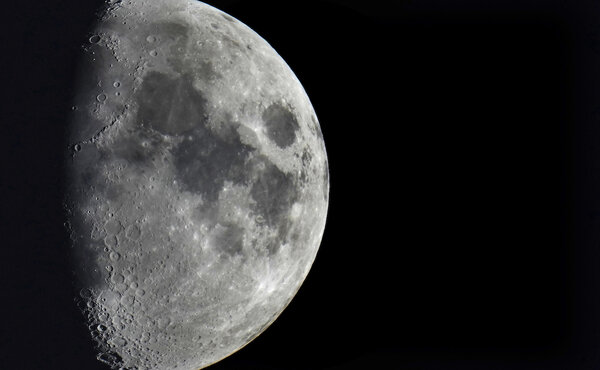 First LookThree tons of space junk is on a collision course with the moonSpace junk is on course to smash into the far side of the moon at 5,800 mph on Friday. It is still unclear whose old rocket it is, but scientists expect the object to carve out a hole 33 feet to 66 feet across.
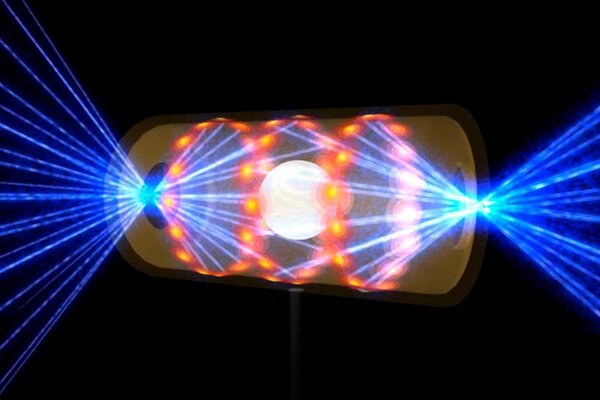 First LookUS lab sparks nuclear fusion. What will it take to make it last?Researchers at a California lab caught a glimpse of the future when they created a fusion reaction that lasted a fraction of a second. If scientists find a way to sustain this nuclear fusion for longer, they could create a revolutionary source of clean energy.
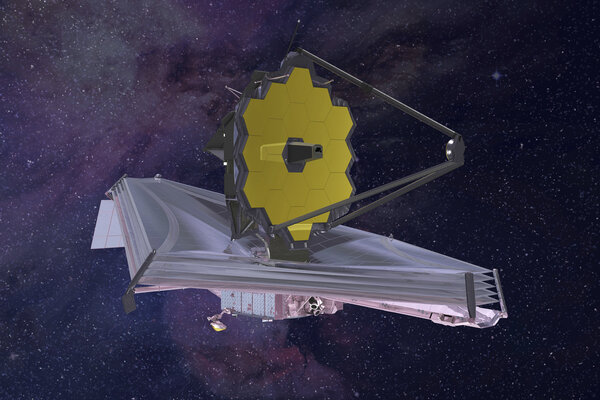 First Look'New views of the universe’ soon: Webb telescope reaches spaceOn Monday, the James Webb Space Telescope landed at its destination 1 million miles from Earth. It will be another three months before the most powerful space telescope in the world, which can peer back in time to early galaxy formation, will be fully operational.
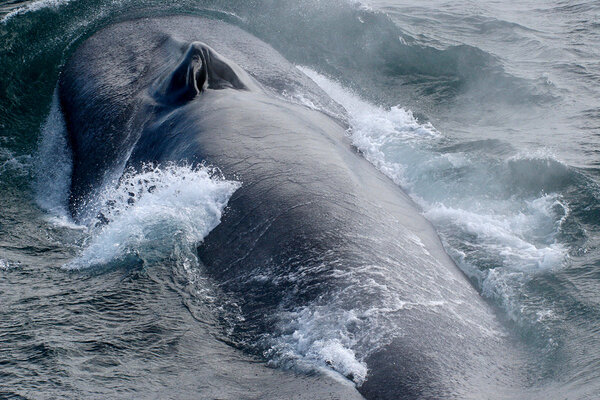 Blue whales: An acoustic library helps us find what we can’t seeAntarctic blue whales are hard to find, but easier to hear. A new tool explores the ocean’s “rhythm section” to learn how to help Earth’s largest mammal.
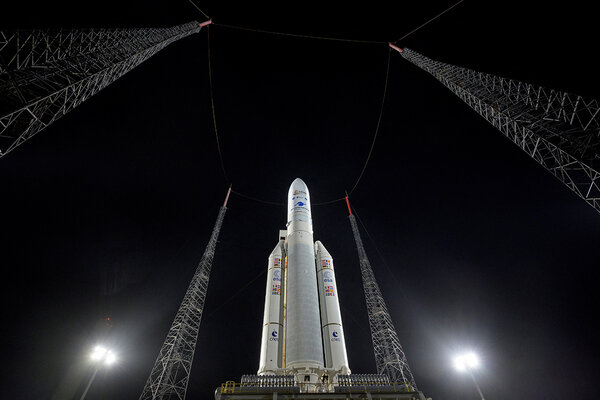 First LookWebb Space Telescope: How is it different from Hubble?The Webb Space Telescope could launch as early as Christmas Day. It’s seen as the successor to the Hubble Space Telescope. But they’re very different.
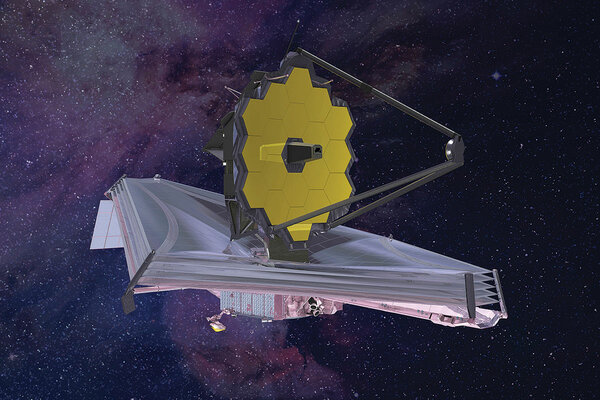 Cover StoryCosmic vision: What secrets NASA’s space telescope might revealNASA’s James Webb Space Telescope – the world’s most powerful and costly – could yield major insights on the cosmos.
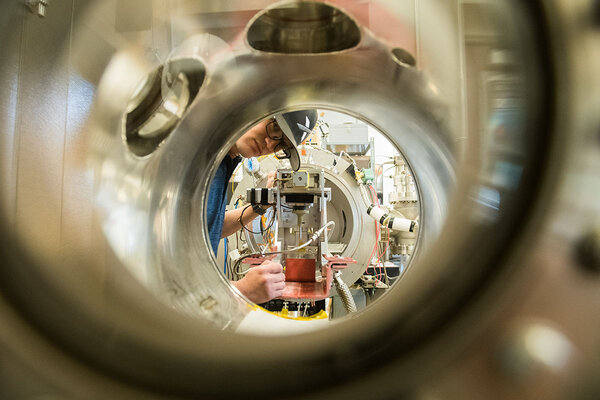 Asteroid blasting and moon dust mitigation: You can major in thatFrom asteroid blasting to moon dust mitigation, the Colorado School of Mines offers studies in how to ethically and sustainably mine in space.
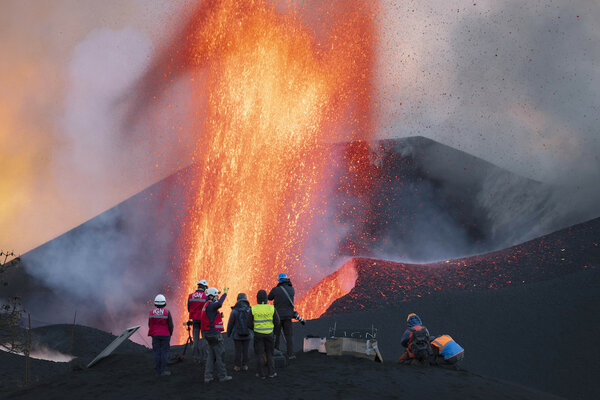 First LookAs lava flows, Spain's volcano offers a rare look at Earth's coreAs lava continues to spew from a volcano on the Canary Island of La Palma, most residents have evacuated – but scientists are moving in closer, using new technology to study the eruption process. The site may just be a perfect laboratory for scientific discovery.
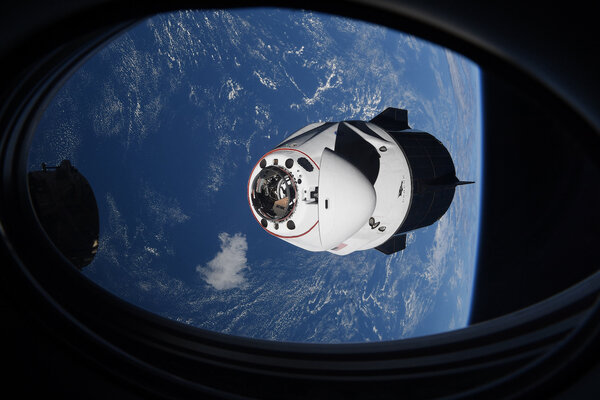 First LookRussian missile test pushes space junk swirling near astronautsOn Monday, a Russian missile test endangered the astronauts aboard the International Space Station by targeting a satellite close by. With over 1,500 pieces of space junk now strewn about, the astronauts face a risk four times greater than normal.
