



All In a Word
 ‘Slithy,’ ‘chortle,’ and other portmanteau wordsLewis Carroll is credited with memorable portmanteau words, including “slithy”: a combination of “slimy” and “lithe.”
 Either a ‘lender’ or a ‘loaner’ you can beWords are not Platonic ideals with a separate existence. In language usage, fashion plays a crucial role.
 How language describes, but also changes, the worldThe officiant at a wedding says, “I hereby declare you married,” and that utterance plays a crucial role in making it so.
 A ‘nerd’ can be a ‘geek’ and also a ‘wonk’The word "nerd" originated comparatively recently, in 1950, in Dr. Seuss’ “If I Ran the Zoo.” But the concept of nerdity has a long history.
 The nuances of ‘coup,’ ‘mutiny,’ and ‘insurrection’"Insurrection" and "rebellion" imply wider participation – ordinary people, rather than members of the elite or a military unit, are the drivers.
 All CAPS or none: It’s a free-for-all on social mediaWRITING EVERYTHING IN ALL CAPS IS GENERALLY UNDERSTOOD AS YELLING, our language columnist notes.
 Ruling out overindulgence in capital lettersPeople don't seem to know what – or when – to capitalize. It's a problem that streches back thousands of years.
 Humans, not chatbots, find capitalization trickyEarly European manuscripts don’t differentiate between uppercase and lowercase letters; all letters are the same size and come in only one shape.
 English has many rules, some of them validSome rules of English you know, some you don’t, and – despite what you might have been taught in grammar school – some aren’t rules at all.
 Spelling tricks from the days before autocorrectIn the Middle Ages, "proper" spelling was not a cultural aspiration. People wrote words down as they pronounced them.
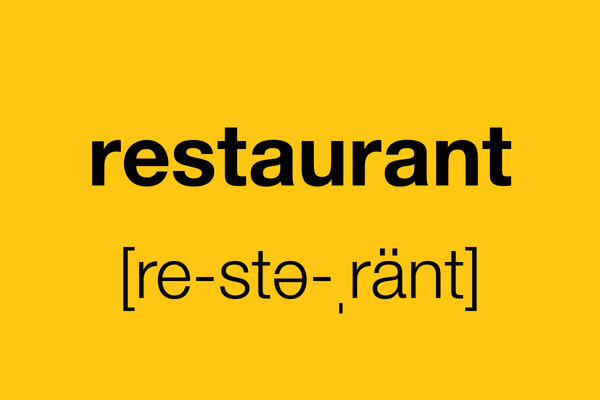 The words we keep having to GoogleAccording to one tally, the word that prompts the most spelling-related Google searches, by a huge margin, is "restaurant."
 Why spelling well is a multilingual taskAround 60% of words in spelling bees from 1996 to 2014 derived from Latin and French, about the same proportion as in English as a whole.
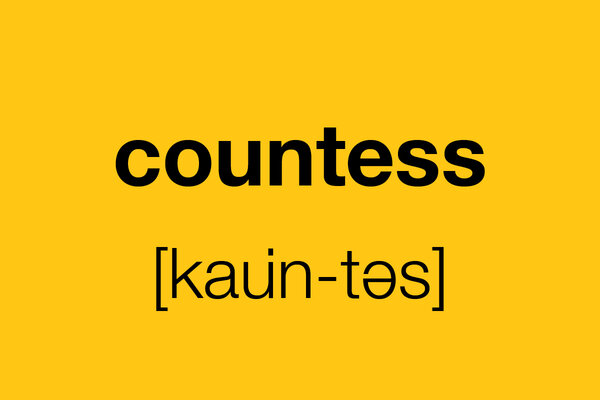 Why England has 200 countesses – and zero countsThere are many – countless? – counts in the rest of Europe, but in Britain the husband of a countess is an earl. Scholars disagree about why.
 When a peer is not necessarily one's equalThere were no English dukes until 1337. Up until then, the English referred to the grandest aristocrats with the good old Germanic word "earl."
 A scholar who finds the good in ‘bad’ EnglishIn her book, “Like, Literally, Dude: Arguing for the Good in Bad English," Valerie Fridland argues that many maligned verbal tics play useful roles.
 When we ‘do good,’ is it for ourselves or others?When we “do good,” is it for ourselves or for others? Etymologically, it can be both, our language columnist writes.
 May Day meanings, from holiday to distress callIn the U.S., May Day was thought to be too “communist.” So President Dwight Eisenhower declared May 1 as “Law Day,” to “celebrate the rule of law.”
 The origins of ketchup – or catsup – run through ... fish sauce?The 18th century was “a golden age for ketchup,” with versions made from oysters, mushrooms, walnuts, mussels, and even fruit.
 The seasons of ‘hot feet’ and ‘distant thunder’Until around 1500, the period from roughly September to November – fall – was named for what was going on with the crops, not trees. It was "harvest."
 Not just winter, or early spring, but ‘mud season’The Russian "rasputitsa" is famously daunting, having helped protect the nation from invaders for centuries.